

A mortgage rejection stings — but it rarely means homeownership is off the table. More often, it means the wrong lender reviewed your file. FHA loans exist precisely for borrowers who don’t fit the conventional mold: credit scores as low as 580 qualify for 3.5% down, debt-to-income ratios up to 50% are allowed with compensating factors (per HUD Handbook 4000.1), and manual underwriting gives complex files a real review instead of an automated pass/fail.
Here’s something most rejected borrowers don’t know: many denials aren’t FHA rejections at all. They’re lender overlay rejections. The lender added stricter internal rules on top of HUD’s minimums, and your file didn’t clear their bar — not the government’s. That distinction matters enormously when you’re deciding where to apply next.
This guide covers the top FHA-friendly lenders and brokers best positioned to help previously-declined borrowers, with a focus on credit flexibility, overlay transparency, and real-world experience with complex files in VA, FL, TN, GA, and DC.
Why Your Application Was Likely Rejected (And Why FHA Can Fix It)
Before diving into the lender list, it’s worth understanding the most common rejection triggers — because the right lender for your re-application depends entirely on which one hit you.
Lender overlays above FHA minimums: FHA’s floor is 580 FICO for 3.5% down. Many retail lenders impose internal minimums of 620 or higher. If your score sits between 580 and 619, you didn’t fail FHA — you failed that lender’s internal policy.
Debt-to-income ratio: FHA permits DTI up to 50% with compensating factors (HUD 4000.1, Section II.A.4.b). Lenders with tighter overlays often cap at 43–45%, leaving creditworthy borrowers rejected for a ratio FHA would have approved.
Down payment documentation: Gift funds are FHA-eligible but must be properly sourced and documented. Undocumented gifts or last-minute deposits frequently trigger denials that proper paperwork would have prevented.
Employment gaps or self-employment income: Automated underwriting systems struggle with non-W-2 income. Manual underwriting — which not every lender offers — can evaluate a fuller picture of your financial stability.
Property condition: FHA Minimum Property Requirements (HUD 4000.1, Section II.A.3) mean the home itself must pass appraisal. If the property failed, a different property — or a seller who agrees to repairs — may resolve the issue entirely.
Waiting periods after credit events: Chapter 7 bankruptcy requires a 2-year wait; Chapter 13 requires 1 year with court permission; foreclosure requires 3 years (HUD 4000.1, Section IV.A.1). If you’re inside these windows, timing — not lender selection — is the issue.
Before re-applying anywhere, request your Adverse Action Notice. Federal law requires lenders to provide it, and it will tell you exactly which reason code triggered the denial. That document is your roadmap.
1. Coast2Coast Mortgage (Duane Buziak, NMLS #1110647)
Best for: Rejected FHA applicants in FL, GA, KY, MD, NC, SC, TN, TX, VA, WV, and DC who need a broker to shop their file across multiple wholesale investors rather than hitting one lender’s overlay wall.
Coast2Coast Mortgage is an independent mortgage broker — not a lender or banker — specializing in FHA loans for borrowers who have been turned down elsewhere or who don’t fit the standard retail lending box.

Where This Tool Shines
The broker model is the core advantage here. Instead of running your file through one institution’s underwriting guidelines, Coast2Coast shops it across dozens of wholesale FHA investors. If one investor’s overlay says no, another investor’s guidelines may say yes — for the exact same loan, the same borrower, the same property. This is the structural reason why a broker often succeeds where a retail lender failed.
For borrowers with credit events, self-employment income, non-traditional credit histories, or files that automated underwriting systems can’t cleanly approve, manual underwriting experience is critical. Duane Buziak has that experience, and the wholesale channel gives him the investor options to put it to use. The NoTouch Credit Pull pre-qualification lets you shop without adding more hard inquiries to a credit file that may already be under pressure from a prior application.
Key Features
Multi-Investor Broker Access: Shops your FHA file across multiple wholesale investors, bypassing any single lender’s overlay restrictions — the primary advantage for rejected applicants.
NoTouch Credit Pull: Pre-qualification via soft pull only, so you can get a real read on your options without triggering additional hard inquiries. See how this works at fhamortgages.net/notouch-credit-pull-review-fha-buyers/.
Manual Underwriting Capability: For files that automated underwriting systems can’t approve — including credit events, self-employment, and non-traditional income documentation.
Accurate FHA Regulatory Knowledge: 2026 loan limits ($541,287 floor, per HUD ML 2025-23), MIP structure (UFMIP 1.75% flat; annual MIP 0.55% for most borrowers on 30-yr loans with LTV above 95% and loan at or below $726,200, per HUD ML 2023-05), and waiting period rules handled correctly — not estimated.
No-Out-of-Pocket Closing Options: Available on qualifying transactions. This is not a “zero closing costs” promise — fees exist, but structuring options may allow you to avoid bringing them to the table.
Best For
Borrowers in VA, FL, TN, GA, or DC who received a denial and aren’t sure whether FHA itself rejected them or whether the lender’s internal overlays were the real obstacle. Also strong for self-employed borrowers, those with prior credit events past the HUD waiting period, and anyone whose file needs manual underwriting rather than an automated system decision.
Pricing
Broker fees disclosed upfront per CFPB requirements. Wholesale pricing is typically competitive relative to retail lenders. Contact Duane directly for a quote: 804-212-8663 or duane@coast2coastml.com.
2. Rocket Mortgage
Best for: W-2 borrowers with straightforward income documentation who were rejected elsewhere for minor credit issues and want fast conditional approval decisions through a digital platform.
Rocket Mortgage is a high-volume national FHA originator with a digital-first application experience and a large underwriting team capable of fast turnaround on conditional approvals.
Where This Tool Shines
Rocket’s strength is speed and process clarity. For a borrower who was rejected at a smaller institution due to slow or disorganized underwriting — rather than a fundamental guideline issue — Rocket’s infrastructure can deliver faster decisions and real-time status tracking throughout the process.
The digital document upload system reduces friction for borrowers with clean, easy-to-document income. If your file is straightforward and your rejection was driven by a previous lender’s inefficiency rather than a credit or DTI issue, Rocket’s platform is worth considering. Note: Rocket is a retail lender, not a broker, so it originates through its own guidelines. Verify their current FHA FICO floor before applying — retail lenders sometimes maintain overlays above HUD’s 580 minimum.
Key Features
Digital Application Platform: End-to-end online application with document upload, real-time status tracking, and conditional approval decisions.
National FHA Origination: Originates FHA loans across all 50 states with a large underwriting team.
Fast Conditional Approvals: High-volume infrastructure supports faster-than-average turnaround on initial approval decisions.
Customer Service Infrastructure: Dedicated support channels for borrowers navigating the process after a prior rejection.
Best For
Salaried W-2 borrowers with clean income documentation, straightforward credit profiles, and a prior rejection driven by process issues rather than fundamental guideline conflicts. Less suited for self-employed borrowers or complex credit scenarios.
Pricing
Rates and fees change daily. Verify current pricing at rocketmortgage.com and compare against broker pricing before committing.
3. Movement Mortgage
Best for: Rejected applicants who want face-to-face guidance from a local loan officer and a lender known for faster processing than many retail competitors.
Movement Mortgage is a retail mortgage lender with a relationship-driven model and a branch network that gives borrowers direct access to loan officers — valuable when you need someone to walk through a re-application with you in person.
Where This Tool Shines
Movement’s branch network distinguishes it from purely digital lenders. If your prior rejection left you feeling like a file number rather than a borrower, the ability to sit across from a loan officer who knows your situation can meaningfully improve the re-application experience. Local loan officers are often better positioned to explain exactly what documentation you need and how to address the specific reason code from your Adverse Action Notice.
Movement also has a reputation for faster processing relative to many retail lenders, which matters if you’re working against a contract deadline after a prior denial. Verify their current FHA manual underwriting policy directly — capabilities can vary by branch and change over time.
Key Features
Retail Branch Network: In-person loan officer access for borrowers who prefer face-to-face guidance through a re-application.
FHA Origination: Originates FHA loans with local loan officer support; verify current manual underwriting availability at your target branch.
Faster Processing Model: Known for processing speed relative to many retail lenders — relevant when working against a purchase contract timeline.
First-Time Buyer and Re-Applicant Experience: Loan officers with background in guiding borrowers through complex or second-attempt applications.
Best For
Borrowers who felt underserved or confused during their first application and want a local point of contact. Particularly useful in markets where Movement has an active branch presence.
Pricing
Verify current rates and lender fees at movement.com or contact a local branch directly for a quote.
4. NFM Lending
Best for: FHA applicants with non-traditional credit profiles or thinner files who need a lender willing to look beyond automated underwriting system decisions.
NFM Lending is a regional mortgage lender with FHA origination experience across multiple states and a track record with borrowers whose files fall outside the standard automated underwriting approval profile.
Where This Tool Shines
NFM’s value for rejected applicants is its reported willingness to engage with non-traditional credit scenarios — borrowers with limited credit history, non-standard income sources, or files that automated systems flag without a clear path to approval. Regional lenders of this type sometimes carry fewer overlay restrictions than large national retail lenders, making them worth evaluating if your denial was overlay-driven.
Verify their current FHA manual underwriting policy and state licensing before applying. Regional lenders can adjust their product offerings and guidelines over time, so confirming current capabilities directly is important.
Key Features
Multi-State FHA Origination: Licensed across multiple states with FHA purchase and refinance products.
Non-Traditional Credit Experience: Reported experience with thinner files and non-standard income documentation; verify current policy before applying.
Loan Officer Accessibility: Regional lender structure with direct loan officer contact for borrowers navigating complex scenarios.
FHA Purchase and Refinance: Full FHA product suite covering both new purchase applications and refinance scenarios.
Best For
Borrowers with thin credit files, non-traditional income, or prior rejections driven by automated underwriting limitations rather than hard guideline failures. Verify current state licensing covers your location before proceeding.
Pricing
Verify current rates and fees directly at nfmlending.com.
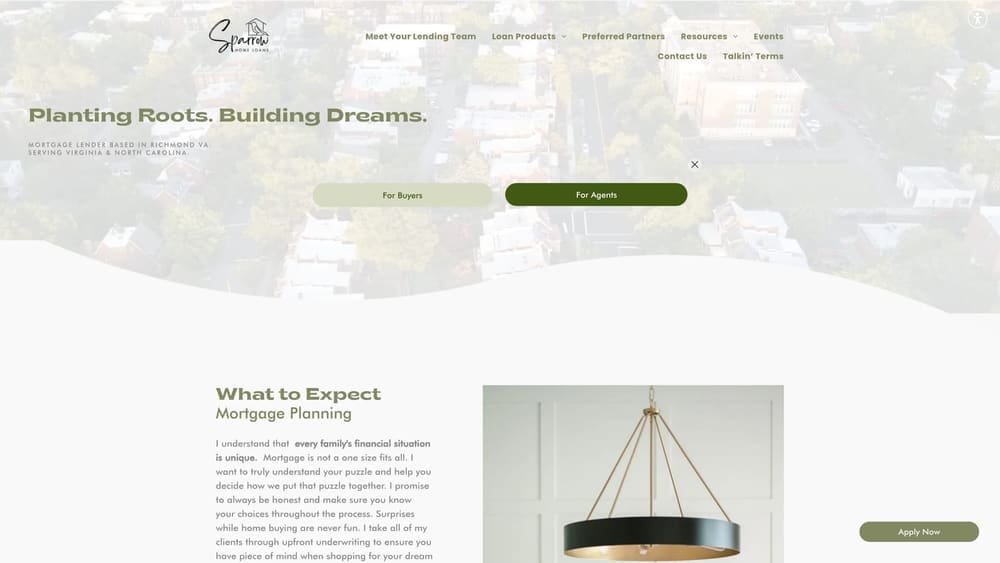
5. Sparrow Home Loans
Best for: FHA applicants who felt lost or deprioritized at a large institution and want direct, ongoing access to the loan officer actually handling their file.
Sparrow Home Loans is a boutique mortgage shop offering a more personalized application experience than high-volume lenders. For borrowers whose prior rejection was compounded by poor communication or feeling like a low-priority file, the boutique model addresses that directly.
Where This Tool Shines
At a boutique lender, your file isn’t one of thousands moving through an automated pipeline. Smaller file volume typically means more direct attention to complex scenarios, and the loan officer you speak with at the start is usually the same person managing your file through closing. That continuity matters when you’re re-applying after a rejection and need consistent, accurate communication about where your file stands.
Verify current FHA product availability and state licensing directly with Sparrow before applying. Boutique lenders’ product offerings and geographic reach can evolve, and confirming current capabilities is essential before committing to a re-application.
Key Features
Direct Loan Officer Access: Boutique model means you’re working directly with the person handling your file, not routing through a call center.
FHA Loan Origination: Verify current FHA product availability and licensing for your state before applying.
Personalized Re-Application Guidance: Smaller operation allows for more tailored guidance through the specific reason codes on your Adverse Action Notice.
Complex Scenario Attention: Lower file volume can mean more time spent on files that need more than a standard automated underwriting review.
Best For
Borrowers who felt deprioritized or poorly communicated with during their first application, and who want a lender relationship built on direct access rather than ticket queues and status updates through an app.
Pricing
Verify current rates and fees at sparrowhomeloans.com.
6. CF Mortgage Corp
Best for: Applicants whose rejection was driven by a specific lender’s overlay rules rather than HUD’s actual FHA guidelines, and who need an independent option with potentially different investor guidelines.
CF Mortgage Corp is an independent mortgage company with FHA origination capability. The core use case here is straightforward: if your denial came from a lender-specific overlay rather than a true FHA guideline failure, a different lender’s guidelines may accommodate the exact same file.
Where This Tool Shines
Independent mortgage companies often operate with more flexibility than large retail chains when it comes to investor relationships and guideline interpretation. For a borrower who received a denial that reads like an overlay issue — credit score between 580 and 619, DTI between 45% and 50%, or a documentation requirement that seemed to exceed what HUD actually mandates — CF Mortgage Corp represents a different set of guidelines to run your file against.
Verify their current FHA product availability, investor relationships, and state licensing before applying. As with any smaller lender, confirming current capabilities directly is the right first step.
Key Features
FHA Loan Origination: FHA purchase and refinance products; verify current availability and state coverage before applying.
Independent Model: Independent structure with flexibility on investor selection relative to large retail chains; verify current investor relationships.
Loan Officer Accessibility: Direct loan officer contact for borrowers working through complex re-application scenarios.
Overlay-Specific Scenarios: A different set of guidelines to evaluate if your prior denial appears to have been driven by lender-specific policy rather than HUD minimums.
Best For
Borrowers who have reviewed their Adverse Action Notice and believe the denial was overlay-driven rather than a fundamental FHA eligibility issue. Particularly useful when the rejection reason doesn’t align with published HUD guidelines.
Pricing
Verify current rates and fees at cfmortgagecorp.com.
Making the Right Choice After a Rejection
The lender you choose for your re-application should be driven by the specific reason your first application failed — not by brand recognition or whoever shows up first in a search.
If the rejection was overlay-driven — credit score between 580 and 619, DTI between 45% and 50%, or a documentation standard that exceeded HUD’s actual requirements — a broker with full wholesale shelf access is your strongest move. Coast2Coast Mortgage can route your file to the wholesale FHA investor whose guidelines actually fit your profile, rather than running it through one institution’s internal policy again.
If the issue was documentation or process — disorganized underwriting, slow turnaround, or poor communication that led to an incomplete file — a lender with strong digital infrastructure and fast conditional approvals like Rocket Mortgage may be the better fit.
If you felt underserved or deprioritized at a large institution, boutique options like Sparrow Home Loans or CF Mortgage Corp offer the direct loan officer access and file attention that high-volume lenders often can’t provide.
Before re-applying anywhere, take three steps: get your Adverse Action Notice and identify the exact reason code, determine whether the rejection was lender-specific or a true FHA eligibility issue, and use a NoTouch Credit Pull to shop without adding more hard inquiries to your file.
To put real numbers on what FHA looks like in practice: on a $300,000 purchase in Henrico County, VA, a 3.5% down payment brings your base loan to $289,500. Add the UFMIP of 1.75% ($5,066.25, typically financed) and your total loan is approximately $294,566. At an illustrative rate of 7.0% (verify current rates at time of application), principal and interest comes to roughly $1,961/month. Annual MIP at 0.55% (per HUD ML 2023-05, for 30-yr loans with LTV above 95% and loan at or below $726,200) adds approximately $135/month. Henrico County property tax at $0.85 per $100 of assessed value (Source: Henrico County Real Estate Assessments, henrico.us, verified August 2026) on a $300,000 home adds $212.50/month. With homeowner’s insurance, total monthly PITI plus MIP typically falls in the $2,408 to $2,458 range for this scenario. These are illustrative figures — actual rate, insurance cost, and tax assessment vary.
FHA’s 2026 loan limits are $541,287 (floor) to $1,249,125 (ceiling) for a 1-unit property, per HUD Mortgagee Letter 2025-23. Those limits, combined with the reduced annual MIP that took effect with HUD ML 2023-05, make FHA the most accessible financing path for the majority of declined applicants right now.
Ready to find out whether your rejection was a lender problem or an FHA problem? Schedule your free consultation today with Duane Buziak at Coast2Coast Mortgage LLC for a no-pressure review of your file, a NoTouch Credit Pull pre-qualification, and a Dare to Compare pricing review against what you were quoted before.