

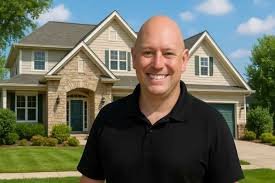
A fixer-upper can be a smart purchase only when the financing accounts for both the home and the repairs. When you apply FHA 203k loan financing, one FHA mortgage can cover the purchase price plus eligible renovation work. That can make a property with an outdated kitchen, aging roof, or safety repairs more realistic than paying for improvements after closing.
Duane Buziak, NMLS #1110647
The catch is that an FHA 203(k) loan is not a standard FHA purchase. The property, contractor bid, appraisal, repair scope, and timeline all need to line up before closing. A clean approval starts with knowing which version fits your project and getting the numbers right before you write an offer.
Table of Contents
- What an FHA 203(k) loan funds
- Limited versus Standard 203(k)
- How to apply for an FHA 203k loan
- A fully worked payment and cash-to-close example
- FHA mortgage insurance structure
- Common approval mistakes
- FAQs
What an FHA 203(k) Loan Can Fund
An FHA 203(k) loan finances a primary residence purchase or refinance and combines eligible renovation costs into the new mortgage. Funds are held in a repair escrow account and released as completed work is documented. This is not a cash-out program for cosmetic wish lists after closing. The work must be approved, completed on schedule, and supported by contractor documentation.
Common eligible improvements include roofing, plumbing, electrical systems, HVAC, flooring, kitchens, baths, accessibility modifications, energy improvements, and repairs needed to make the home safe and functional. Luxury items such as a new pool generally do not qualify. A detached structure or extensive site work may require additional review.
The final loan amount is constrained by FHA’s county loan limit and the property’s as-improved value. In practical terms, a buyer cannot simply add unlimited repair dollars because a contractor quote is high. The appraisal must support the transaction, and the borrower must still qualify for the full proposed payment.
Limited vs. Standard FHA 203(k)
The Limited 203(k) is generally the practical fit for buyers completing non-structural updates and repairs. The Standard 203(k) is designed for major rehabilitation, structural work, repairs that require architectural plans, or projects exceeding the Limited program’s repair ceiling. Program guidance and limits should be confirmed for the specific file before contract execution.
A Limited loan can work well for a roof, appliances, flooring, paint, cabinets, and moderate kitchen or bath improvements. A Standard loan is more appropriate when work affects load-bearing walls, requires engineering, includes substantial foundation repair, or makes the home uninhabitable during construction. Standard projects typically involve a HUD-approved consultant who inspects the work and helps document draw requests.
Do not choose the Limited program solely because it sounds simpler. If the scope is structural, the wrong program can force a redesign, delay closing, or end the transaction after appraisal.
How to Apply for an FHA 203k Loan Before You Offer
Start with a realistic approval range, then separate the purchase price from the renovation budget. Your mortgage qualification is based on the full FHA 203(k) loan amount, not only the sales price. That is why buyers should not wait until after an offer is accepted to discover whether the repair budget changes their debt-to-income ratio.
A NoTouch Credit Pull gives you an early view of mortgage options without a hard inquiry. Ask for a soft pull mortgage pre-approval before you begin serious property tours, especially if your score is near FHA’s 580 benchmark. This soft credit pull pre-approval can identify credit, income, or debt issues that should be corrected before you commit to a contractor or inspection period.
For a complete FHA 203(k) file, expect to provide income and asset documentation, purchase contract, contractor license and insurance information where required, detailed bids, a repair write-up, and appraisal information. A no hard inquiry mortgage pre-approval is useful for early planning, but final underwriting will require a full credit report and complete verification. NoTouch Credit Pull is an early planning tool, not a final approval.
The contractor matters as much as the property. Select a contractor who can create a detailed, line-item bid, respond quickly to documentation requests, and work within an escrow draw process. The lowest bid is not automatically the best bid if it lacks detail or cannot support the appraisal and underwriting file.
A Worked FHA 203(k) Dollar Example
Assume you buy a Richmond-area home for $300,000 and need $40,000 of eligible repairs. Your preliminary base loan calculation is $340,000 before the upfront mortgage insurance premium. With FHA’s 3.5% minimum down payment, the required investment is 3.5% of $340,000:
$340,000 × 0.035 = $11,900 down payment.
That produces a base loan of $328,100. FHA’s upfront mortgage insurance premium is 1.75% of the base loan:
$328,100 × 0.0175 = $5,741.75 upfront MIP.
If financed, the total loan becomes $333,841.75 before any financed allowable closing costs. For a more-than-90% LTV loan with a term over 15 years, annual MIP is 0.55% of the base loan:
$328,100 × 0.0055 = $1,804.55 per year, or $150.38 per month.
That $150.38 monthly MIP is separate from principal, interest, property taxes, homeowners insurance, and any association dues. Your actual cash needed can be higher than $11,900 because closing costs, prepaid taxes, insurance, and repair contingencies must also be addressed. Seller concessions, gift funds, and approved down payment assistance may help, subject to FHA and program rules.
FHA Mortgage Insurance at a Glance
The figures below are verified as of September 5, 2026. Mortgage insurance can change, so a broker should confirm the current schedule for your exact case before disclosures are issued.
| Base loan-to-value | Loan term | Upfront MIP | Annual MIP and duration |
|---|---|---|---|
| More than 90% | More than 15 years | 1.75% of base loan | 0.55%, for mortgage term |
| 90% or less | More than 15 years | 1.75% of base loan | 0.50%, for 11 years |
| More than 90% | 15 years or less | 1.75% of base loan | 0.40%, for mortgage term |
Approval Problems That Cost Buyers Time
The most common issue is underestimating repair costs. A $25,000 estimate that becomes a $45,000 project can change the appraisal, loan amount, reserve requirement, and closing date. Obtain detailed bids early, including labor, materials, permits, and any required contingency reserve.
Another problem is treating an FHA 203(k) like a standard purchase loan. Renovation appraisal reviews, contractor vetting, consultant involvement on Standard files, and repair escrow setup take time. Build a contract timeline that recognizes the added documentation instead of assuming a rushed closing will work.
Finally, do not let one retail bank’s single FHA option define your path. An independent broker can review programs across hundreds of wholesale lender relationships and match the loan structure to the property, credit profile, and renovation scope. A no hard credit check mortgage conversation through NoTouch Credit Pull can help you start that comparison without immediately adding a hard inquiry.
FHA 203(k) Loan FAQs
Can I use an FHA 203(k) loan for a first home?
Yes. FHA 203(k) financing is available to qualified buyers purchasing a primary residence, including first-time buyers. You do not need to have owned a home before. You must meet FHA occupancy, credit, income, property, appraisal, and renovation documentation requirements for the full transaction.
What credit score is needed for an FHA 203(k) loan?
FHA’s commonly used minimum is 580 for the 3.5% down payment option, while scores from 500 to 579 may require 10% down. Individual wholesale lenders can set stricter overlays. Credit history, debt-to-income ratio, reserves, and the renovation scope also affect approval.
Can FHA 203(k) funds pay for a new roof?
Yes, a new roof is generally an eligible FHA 203(k) repair when supported by the property condition and contractor bid. The work must be included in the approved repair scope and completed through the escrow process. The appraisal must support the as-improved value and total loan amount.
How much down payment is required on FHA 203(k)?
With qualifying credit, FHA’s minimum down payment is typically 3.5% of the base loan amount, which includes approved purchase and renovation financing. A lower credit score can require 10% down. Closing costs, prepaid items, and required reserves can create additional cash needs beyond the down payment.
Is a Limited 203(k) better than a Standard 203(k)?
Neither is universally better. A Limited 203(k) fits eligible non-structural repairs within its program limit, while a Standard 203(k) handles major rehabilitation and structural work. Selecting the appropriate version depends on the repair scope, contractor bids, property condition, and whether a consultant is required.
Can I do the renovation work myself?
Owner-performed work is limited and often difficult to approve because FHA requires clear cost documentation, timely completion, and acceptable workmanship. Most buyers should use qualified contractors with detailed bids and insurance. Discuss any proposed self-help work before making an offer or pricing the project.
Does FHA 203(k) have mortgage insurance?
Yes. FHA 203(k) loans include upfront and annual mortgage insurance premiums, just like other FHA-insured mortgages. The upfront premium is commonly financed into the loan. The annual premium is paid monthly and depends on the loan-to-value ratio, term, and current FHA insurance schedule.
How long does an FHA 203(k) closing take?
It depends on appraisal timing, contractor documentation, repair complexity, and underwriting conditions. A simple Limited file may move faster than a Standard project, but both need more coordination than a basic purchase. Start bids and property review early, then write a contract timeline that allows for documentation.
A home with visible repair needs should not automatically be passed over. Get the repair scope, qualification numbers, and contractor documentation aligned before you negotiate, and you can make an offer with far more confidence.
Legal disclaimer: This article is educational information, not a commitment to lend or an approval. Loan approval, pricing, mortgage insurance, FHA loan limits, repair eligibility, and program requirements are subject to change and depend on borrower qualifications, property condition, appraisal, underwriting, and applicable law. Coast2Coast Mortgage LLC operates as an independent mortgage broker and does not provide legal or tax advice.
Duane Buziak, Mortgage Maestro | Coast2Coast Mortgage LLC | NMLS #1110647 | (804) 212-8663 | duane@coast2coastml.com | 4860 Cox Rd, Glen Allen VA 23060 | Licensed: FL, GA, KY, MD, NC, SC, TN, TX, VA, WV, DC | VA Broker of the Year 2024-2025 | Scotsman Guide Top Originator 2025 & 2026 | UWM PRO ELITE 2025 | Top 1% Nationwide | 1,400+ five-star reviews.






2 Responses